
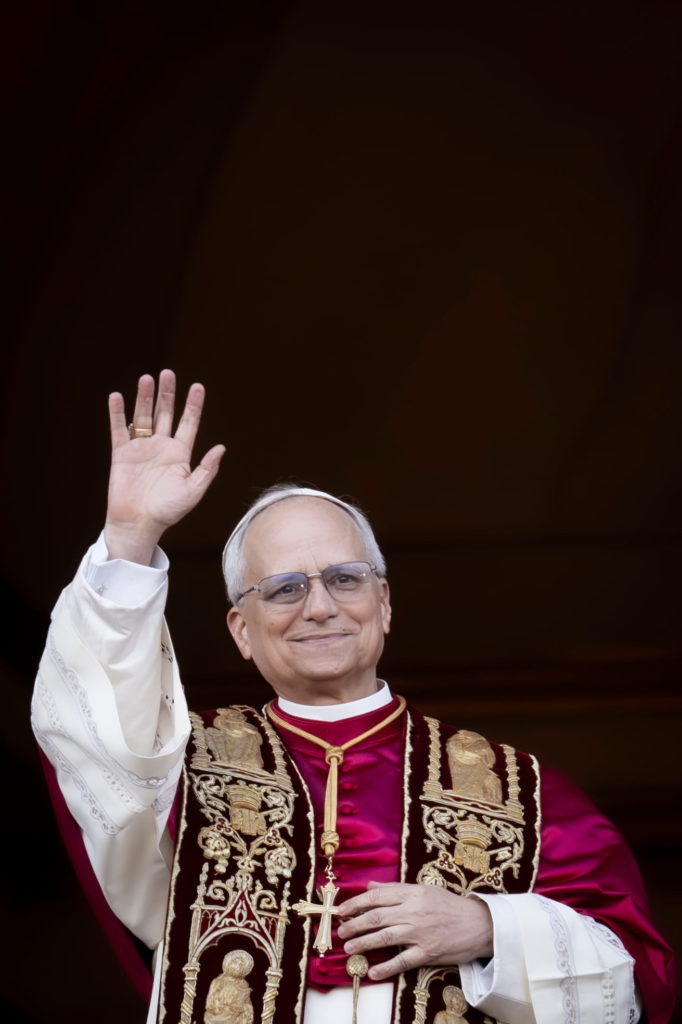
The Vatican has officially confirmed that this coming April, Pope Leo XIV will visit Algeria, marking the first-ever visit from a reigning pontiff. An Augustinian by formation, the Pope will follow in the footsteps of St. Augustine by visiting Algiers and Hippo Regius (modern-day Annaba). Bishop Michel Jean-Paul Guillaud of Constantine-Hippone spoke with Aid to the Church in Need (ACN) about the Church’s expectations for this historic journey.
A Source of Great Joy and Grace
While the early Church saw three North African popes (Victor, Miltiades, and Gelasius), this will be the first time a pope sets foot in Algeria. For the small local Christian community, the visit is described as a «great grace».
“The whole country was deeply moved when, after his election, he described himself as a ‘son of Saint Augustine’. At first some thought he meant it in a geographical sense, but they soon understood that he was talking about a spiritual sonship. The fact that he is dedicating three days to North Africa, in a Muslim majority country, is a strong sign”.
St. Augustine: A Shared Heritage
Since a landmark conference in 2003, Algeria has increasingly recognized St. Augustine as one of its own. Today, the Basilica of Saint Augustine in Annaba serves as a bridge between faiths, with 99% of its tens of thousands of annual visitors being Muslim. The state even contributed to the basilica’s restoration, viewing the saint as a common heritage.
A Vibrant and Diverse Church
The modern Algerian Church is young and dynamic, characterized by the presence of sub-Saharan African students from countries such as Uganda, Tanzania, Zimbabwe, Mozambique, and Angola.
-
Geography: The diocese covers 110,000 km², served by approximately 10 priests and 10 female religious across seven locations.
-
Community Life: In places like Béjaïa, where a priest visits only twice a month, the faithful gather weekly to read Scripture together, creating a fraternal and welcoming environment.
-
Ecumenism: In Constantine, Catholics and Methodists organize joint meetings, particularly during the annual week of prayer for Christian unity.
When locals ask to be received into the Church, authorities respect individual conscience as long as there is no proselytizing. The Church proceeds with careful discernment and thorough preparation for any potential baptism.