Muslim solidarity in Mozambique is a “sign of hope”, according to Bishop António Juliasse of Pemba, following a devastating attack on a landmark Catholic church and compound in the Meza region of Cabo Delgado. The Muslim community of Mozambique issued a formal statement condemning the ongoing jihadist attacks in the north, which have increasingly targeted Christian people and religious sites.
Condemnation of violence and Muslim solidarity in Mozambique
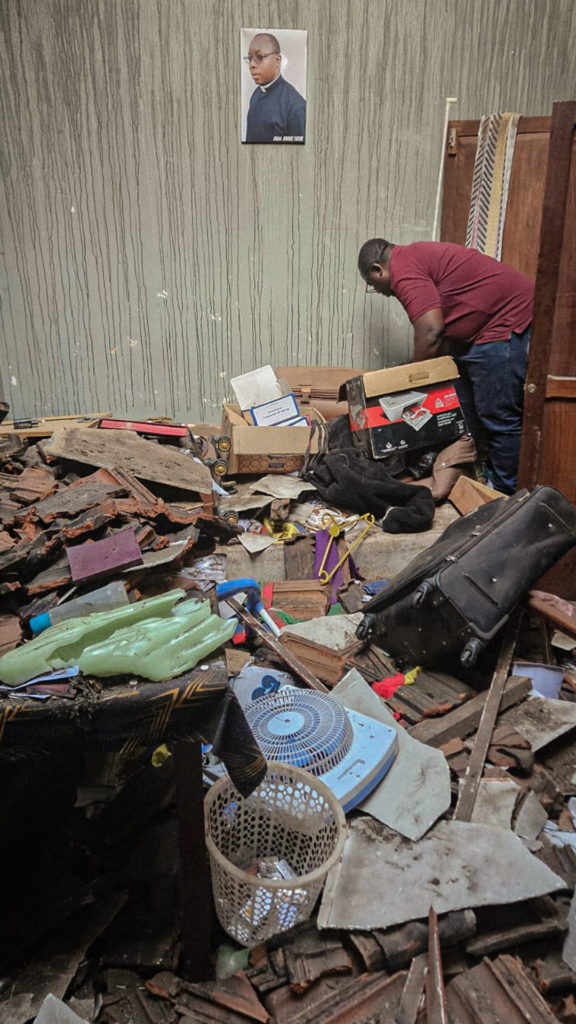
Jihadists claiming allegiance to the Islamic State recently burned the Saint Louis de Montfort parish to the ground, destroying vital community infrastructure. In response, the Islamic Community of Mozambique explicitly distanced itself from these acts of terror.
“The Islamic Community of Mozambique expresses its deepest concern over the recent attacks… and states its firm and unequivocal condemnation of all acts of violence against civilian populations, as well as the destruction of religious spaces, regardless of their confession”.
The statement further stresses that faith should never be used to justify violence, fear, or division, offering solidarity to the affected families.
A symbol of human fraternity
Bishop António Juliasse described the message as a “sign of hope and a symbol of human fraternity”. He emphasized that such gestures help distinguish the Muslim religion from those who attempt to radicalize it for hatred and destruction. While Mozambique is majority Christian, Muslims form the majority in the northern provinces.
The conflict in Cabo Delgado has had a severe impact since 2017:
-
Casualties: At least 6,300 deaths and over one million displaced people.
-
Religious targeting: At least 300 Catholics brutally killed, including pastoral agents and Sister Maria de Coppi.
-
Property damage: At least 118 churches and chapels destroyed during the insurgency.
Aid to the Church in Need (ACN) continues to support the Church through humanitarian aid, psycho-social support, and rebuilding projects. The Holy See also remains close to the region; in December 2025, Cardinal Pietro Parolin visited Cabo Delgado to hear first-hand testimonies from the victims.