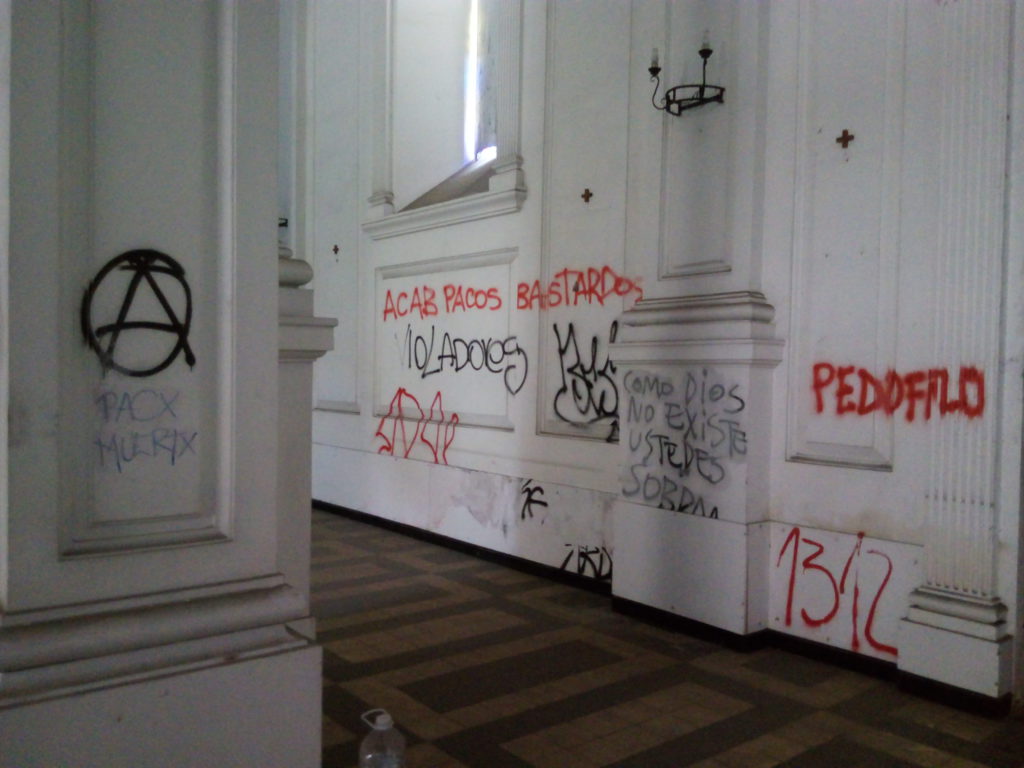
Attacks on churches across Europe and the Americas have raised alarming concerns following the recent desecration and vandalisation of the popular shrine of Medjugorje, in Bosnia, during the early hours of Tuesday, 28 July. Local authorities immediately opened an investigation into the incident, which involved damage caused by fire and the desecration of a statue of the Virgin Mary. This case represents the latest in a wave of attacks targeting Christian places of worship through acts of vandalism, desecration, arson, and theft. While the specific circumstances and motivations vary, all incidents share a common element: Christian religious symbols and buildings were deliberately targeted, renewing anxiety over growing hostility towards places of worship even in majority-Christian countries.
Documented incidents and the alarming rise of attacks on churches
Information gathered by Aid to the Church in Need (ACN) from local news reports confirms serious incidents across Spain, France, Italy, Germany, Northern Ireland, Belgium, Colombia, Nicaragua, Poland, Mexico, the Dominican Republic, and the USA:
-
Nicaragua: In a context of severe state persecution, a parish in the Diocese of Estelí was broken into twice (13 and 16 June). Thieves stole musical instruments, furniture, and a gas cylinder, while also destroying an image of Jesus in the Francisco de Asís parish. Father Muñoz expressed regret over the loss of respect for the sacred.
-
France: Between 14 and 17 June, individuals broke into a church in Mugron and stole the Blessed Sacrament. Between 5 and 6 July in Lille, liturgical items and consecrated hosts were stolen. On 5 July in Mulhouse, a man deemed psychiatrically unfit vandalised the altar cross, pews, and confessionals. Arson attacks partially destroyed churches in Brittany and Gers on 12 June, and an altar cloth was burned in Val d’Oust on 24 June.
-
Germany, Belgium, Italy, and Northern Ireland: Arson incidents occurred in Belgium (8 June), Italy (16 June), Northern Ireland (28 June), and Germany (29 June). On 22 June, a man severely damaged a church organ and religious art in Friesoythe, Germany.
-
Mexico and Dominican Republic: In Saltillo, Mexico, sacred vessels were stolen from the tabernacle on 12 June, leaving the consecrated hosts abandoned nearby. On 12 July in Santo Domingo, three churches were broken into, with tabernacles forced open and the Eucharist scattered over the floor and altar.
-
Spain and Poland: In Òdena, Catalonia, youths broke into the Church of Our Lady of Peace on 19 May, desecrating the altar and a Bible, stealing metal objects, and spraying graffiti. On 8 June in Łubów, Poland, an intoxicated man urinated on the church floor and damaged religious objects.
-
Colombia: On 21 June, an unidentified armed group launched drone explosives against a Christian church in northern Colombia, killing a ten-year-old boy and wounding five others. Earlier, on 6 May in Cali, a man in a psychotic fit damaged statues and sacred art at La Ermita chapel.
-
United States: On 6 May in Oakland, California, assailants damaged St. Columba Church, breaking crosses, images, and a memorial fountain for six Irish students.
Implications for religious freedom and papal statements
This succession of events validates the warning issued by religious freedom expert José Luis Bazán, co-author of ACN’s Religious Freedom in the World Report, that freedom of worship is not to be taken for granted even in majority-Christian nations. Although these incidents differ in nature and severity, their frequency within a short period underscores the pressing need to safeguard sacred spaces.
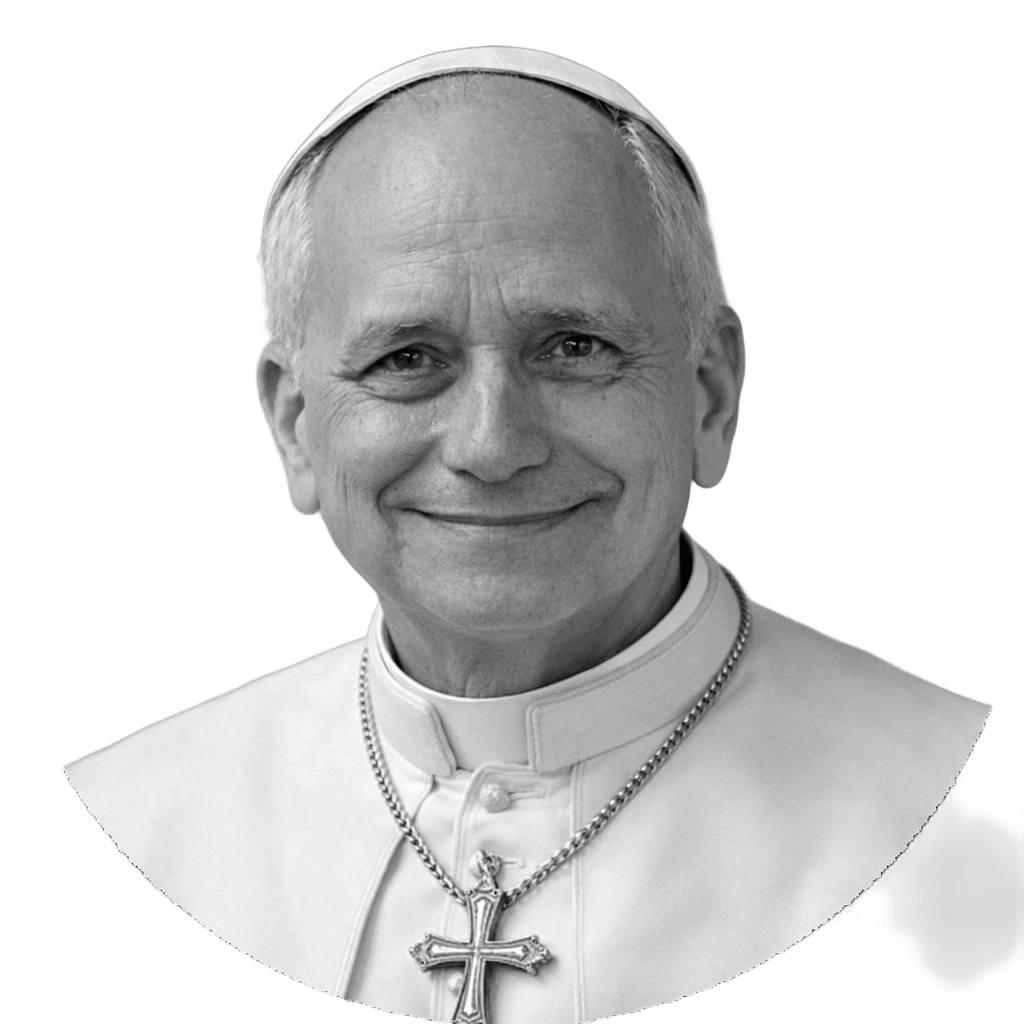
Addressing the Spanish Parliament on 8 June, Pope Leo XIV emphasized the fundamental necessity of protecting these rights:
“Freedom of thought, conscience and religion is a decisive issue for every truly democratic society”.
The Pontiff further noted that an authentic State:
“Recognises the religious dimension of the person and therefore not only respects it, but protects it as well”.
The recent wave of attacks across Europe and the Americas serves as a clear reminder that safeguarding religious freedom requires not only defending the right to believe, but also actively ensuring that places of worship are respected and protected.