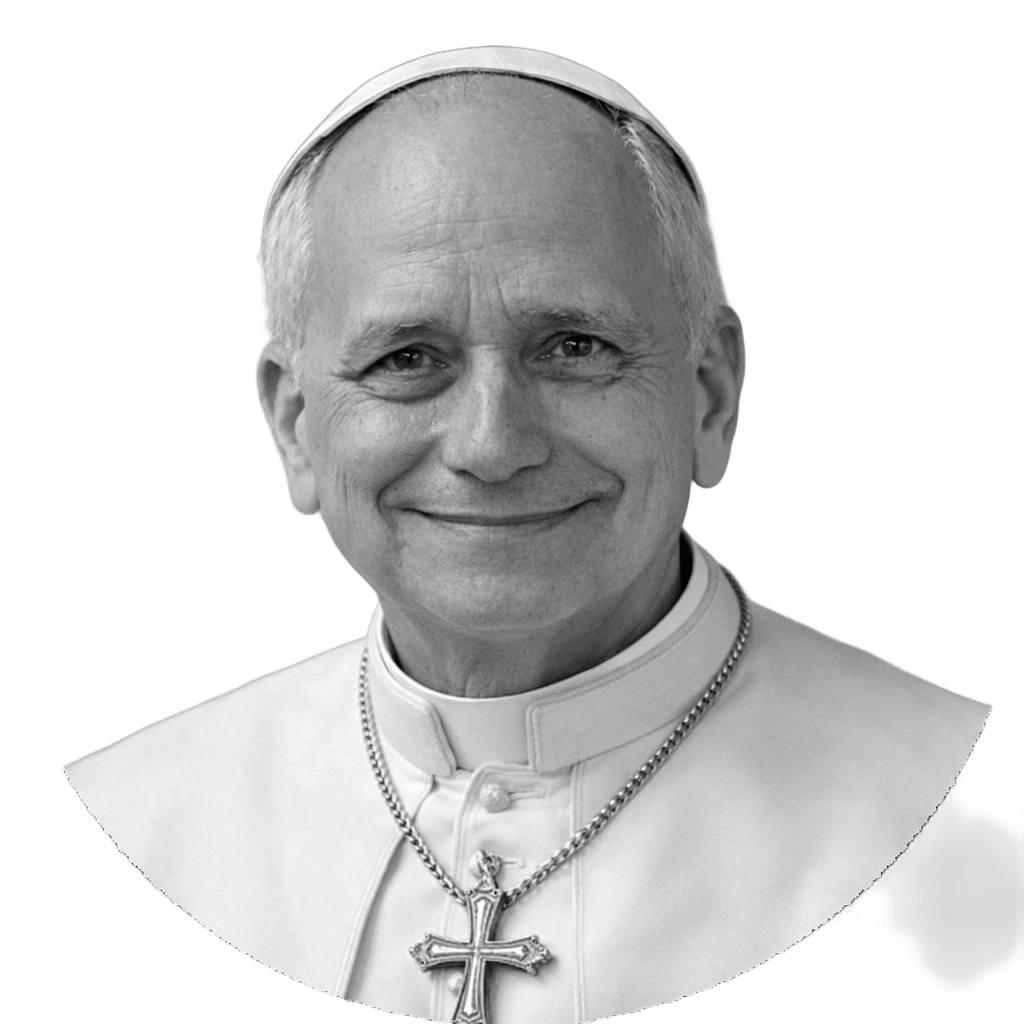
Major Archbishop Shevchuk, primate of the Ukrainian Greek Catholic Church, spoke about the profound spiritual transformations brought by the ongoing conflict during a recent visit to the national office of Aid to the Church in Need (ACN) in Spain. This encounter took place during a meeting of the Permanent Synod of the Ukrainian Greek Catholic Church held in Madrid, where the leader explained how the deep pain of the war has forced citizens to confront existential questions about meaning, hope, and the presence of God. Reflecting on this spiritual climate, the primate stated:
“This is the most significant period of conversion in the recent history of our nation. Ukraine is defending peace in Europe with its own blood. This is not a metaphor, this is reality. This war has forced everybody to ask themselves existential questions: Why? Does my pain have a meaning? Is there hope? Where is God in the midst of this war? And there are no answers to these questions outside of the Christian Faith. That is why this time of pain is also a kairos, a time of grace during which we are seeing large-scale conversions”.
Pastoral accompaniment and the vision of Major Archbishop Shevchuk
According to figures shared by the religious leader, the war has severely altered the traditional religious demography of the country. The percentage of citizens who formally belong to traditional Orthodox Churches has dropped from a historical 70% to around 52%. Conversely, the Greek Catholic Church, although still functioning as a minority, has positioned itself as a highly dynamic group, growing from around 7.5% or 8% of the population prior to the war to 12% today.
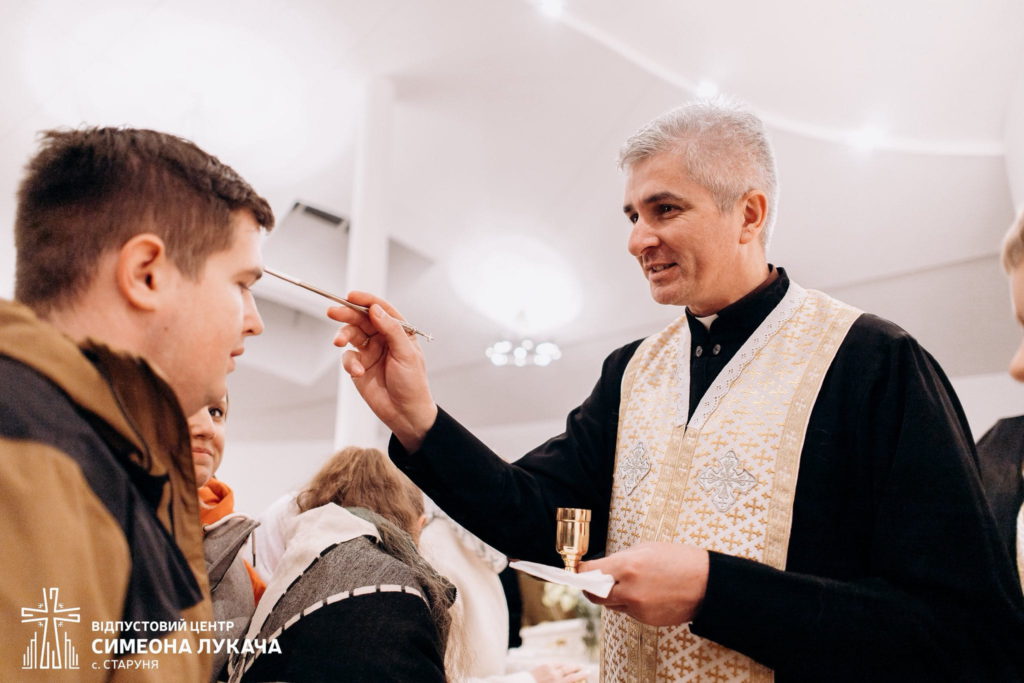
Addressing the current mission of the clergy, Major Archbishop Shevchuk detailed the pastoral significance of this painful period, defining it as a collective «pastoral of pain» shared by every priest in every parish. The primate highlighted how the clergy absorbs the suffering of the local families while presiding over endless daily funerals for young people and children:
“This is the work we all share, every priest in every parish. We are in mourning. It is painful to preside over countless funerals every day; to bury young people and children, it takes a deep toll on you. Each one of the bishops carries within them the pain of their own people, which we have to share. We can console those people who are not looking for miracles, but for presence, the sacrament of the presence of the Church through the priest”.
This dedication becomes explicitly clear the closer one gets to the active front lines. The prelate remarked that when the state orders the evacuation of civilians for safety reasons, the parish priest is always the last to leave, comparing their role to a ship captain who stays with his vessel until the very end.
Clergy poverty and ACN’s support against the «forgotten war»
The major archbishop admitted that it hurts his people deeply that the international community appears to forget a conflict that is already entering its fourth year. He expressed that the local Church often feels misunderstood, as if the outside world fails to grasp the true scale of the tragedy and the rivers of blood running through Ukraine every day.
Simultaneously, the material situation for the local clergy remains extremely difficult. A recent survey conducted by the Ukrainian Greek Catholic Church revealed that over half of its priests currently live well below the poverty line, with 38% stating they are completely unable to buy clothes and 3% struggling to secure basic food essentials. Despite these harsh challenges, the archbishop was visibly moved by the pastoral fidelity of his ministers:
“92% of those surveyed said they are happy serving our people. That brought tears to my eyes. The priests have to listen, to accompany and, sometimes, simply remain in silence. What can you say to a mother who has just lost her son?”.
Faced with this severe reality, the Ukrainian Greek Catholic Church launched an ongoing training and psycho-spiritual rehabilitation programme with the strategic support of ACN. This specialized track ensures that priests and religious can offer adequate pastoral care to traumatized individuals, stepping into the role of true «wounded healers»—a project that remains in exceptionally high demand across all dioceses. Major Archbishop Shevchuk concluded with a strong message of long-term hope, calling for global solidarity:
“The war will end, because evil is not eternal. The Lord is eternal, and love is eternal. Pray hard for our people to be freed from the slavery of war. Today, in Ukraine, hope is real and palpable. In Ukraine, we pray for peace every day”.