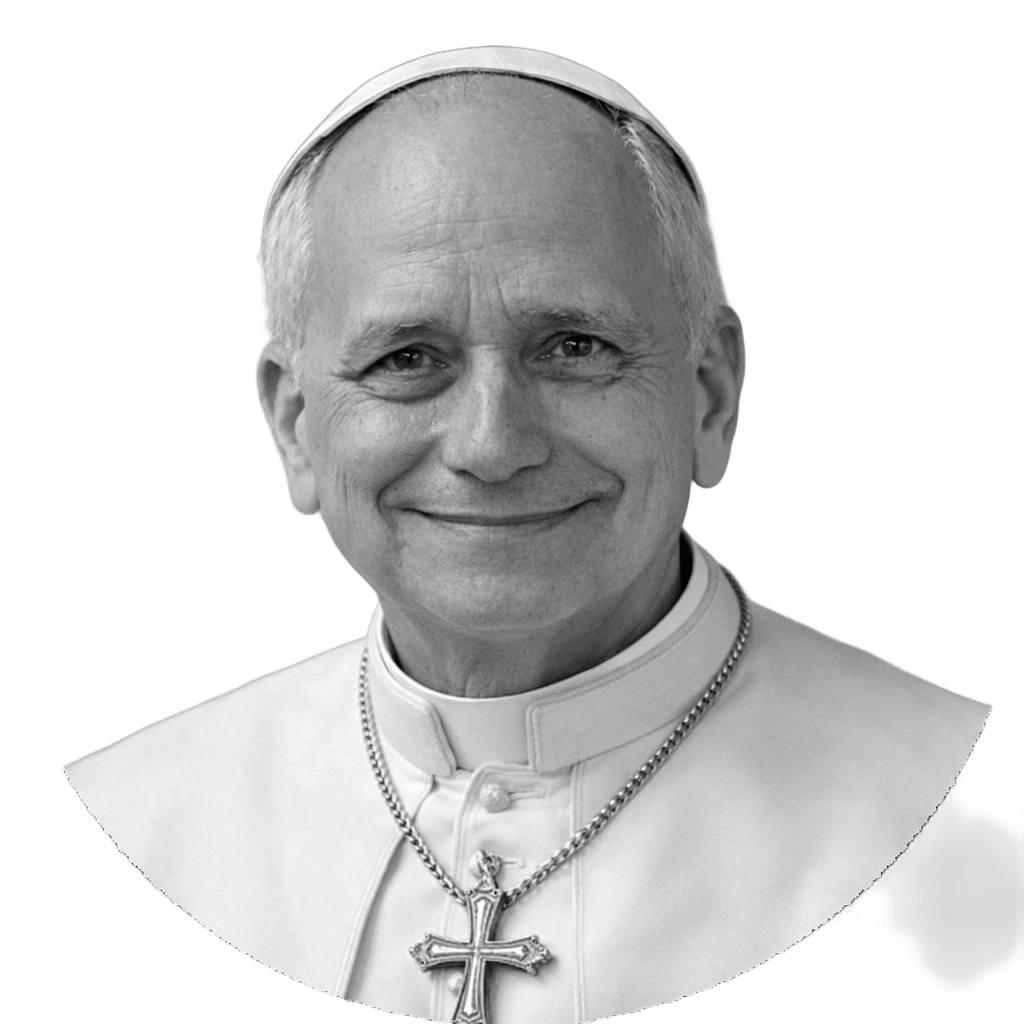
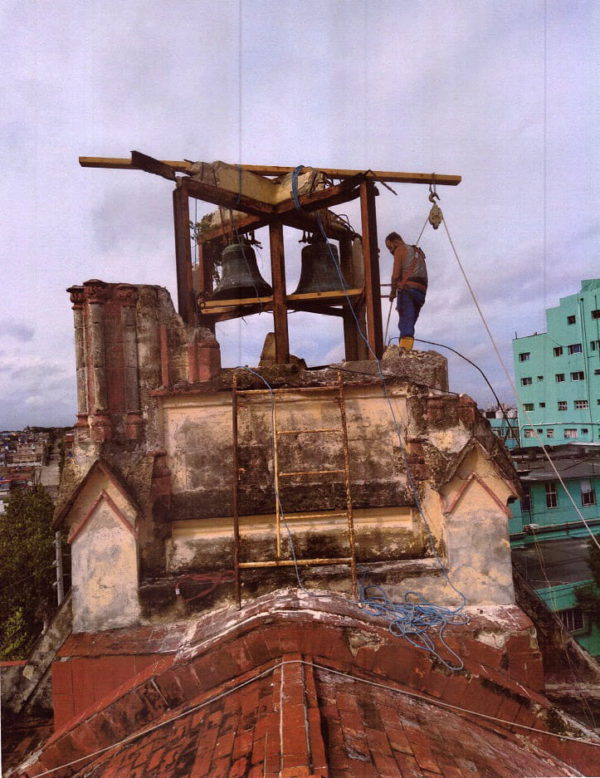
Archbishop Gabriel Malzaire of Saint Lucia believes that as secularism grows across the Caribbean and more young people drift away from the Church, Christians must rediscover a deeper and more resilient faith. While the islands that form the Antilles may appear to be a paradise for most of the year, those who live there year-round understand the inherent dangers of the hurricane season.
The climate challenges faced by Archbishop Gabriel Malzaire
The lives of the Caribbean people are defined by regular natural disasters, yet their identity is deeply tied to a profound historical resilience. During a visit to the international headquarters of Aid to the Church in Need (ACN), the Archbishop of Castries recalled two severe experiences with storms that completely reshaped his ministry:
-
The 1980 Hurricane: This occurred while he was still a seminarian placed in his home parish. As the storm approached, he chose to stay at his family house rather than the presbytery; upon his return, the building’s roof was completely gone.
-
The Devastation of Dominica: This struck while he was serving as the island’s bishop. He was away when the hurricane hit, but as he returned by boat, the island looked like a distorted piece of gray and brown rock. Debris blocked his front gate and the ceiling in his room had collapsed.
“Just like that, his entire pastoral plan was transformed. ‘Now it was a question of finding ways to feed people, to care for people, and to minister to them.’ ‘We go through this every year, depending on which island gets hit, so I would describe the Caribbean people as resilient. We are faced with this all the time, but we have survived!’”.
From the banana farm to the seminary
Growing up on Saint Lucia involved a constant contrast between the serenity of a simple life and the danger of environmental destruction. As one of eleven children in a highly religious family, young Gabriel Malzaire was rarely idle. Alongside his schoolwork and an interest in sports, his daily routine included chores on the family banana farm, while the Church remained the central pillar of his upbringing.
His attraction to the priesthood began at the age of 10, when the local priest arrived at his parish in a small car. Young Gabriel expressed his desire to become an altar server, a role he maintained until he was 18 years old, shortly after graduating from high school. However, his vocational path also faced significant cultural doubts regarding whether a native islander and a black man would be fully accepted into the seminary:
“The image of priesthood in our culture was that a priest was from far away. There were doubts in my mind whether I would be accepted, that kind of thing”.
These initial anxieties proved completely unfounded. Today, he stands as one of the highest-ranking clerics in the Antilles, having completed two terms as the president of the regional Episcopal Conference.
A profound faith that goes beyond passing trends
The overall religious landscape of Saint Lucia has shifted dramatically since Archbishop Gabriel Malzaire first entered the seminary. The island used to be almost entirely Catholic, but today, Catholics account for just a little over 50% of the population, as secularism and evangelical churches steadily gain ground. The archbishop recognizes that engaging with modern youth constitutes a unique pastoral challenge.
He cautions against contemporary philosophies that attempt to make church exciting by appealing exclusively to superficial feelings or current trends. For the prelate, focusing solely on emotional satisfaction is simply not enough to sustain a true religious life:
“I always maintain that if we do what we do well, and we communicate it in a manner that brings depth to the lives of people, then, you know, it is going to happen. Because when we really think about what Christ did for us, it was not a question of feeling. He went all the way to the end”.
To strengthen the local Church, the archbishop emphasizes the need for better catechesis for the youth, alongside an upgraded communication system to enhance evangelisation and promote vocations. His spiritual attitude remains anchored in the simple prayer he said as an adolescent whenever he visited the cathedral in the capital city of Castries: “Lord, let your will be done. As simple as that. Lord, your will be done. And it remained with me, and I have always felt that God was guiding”.