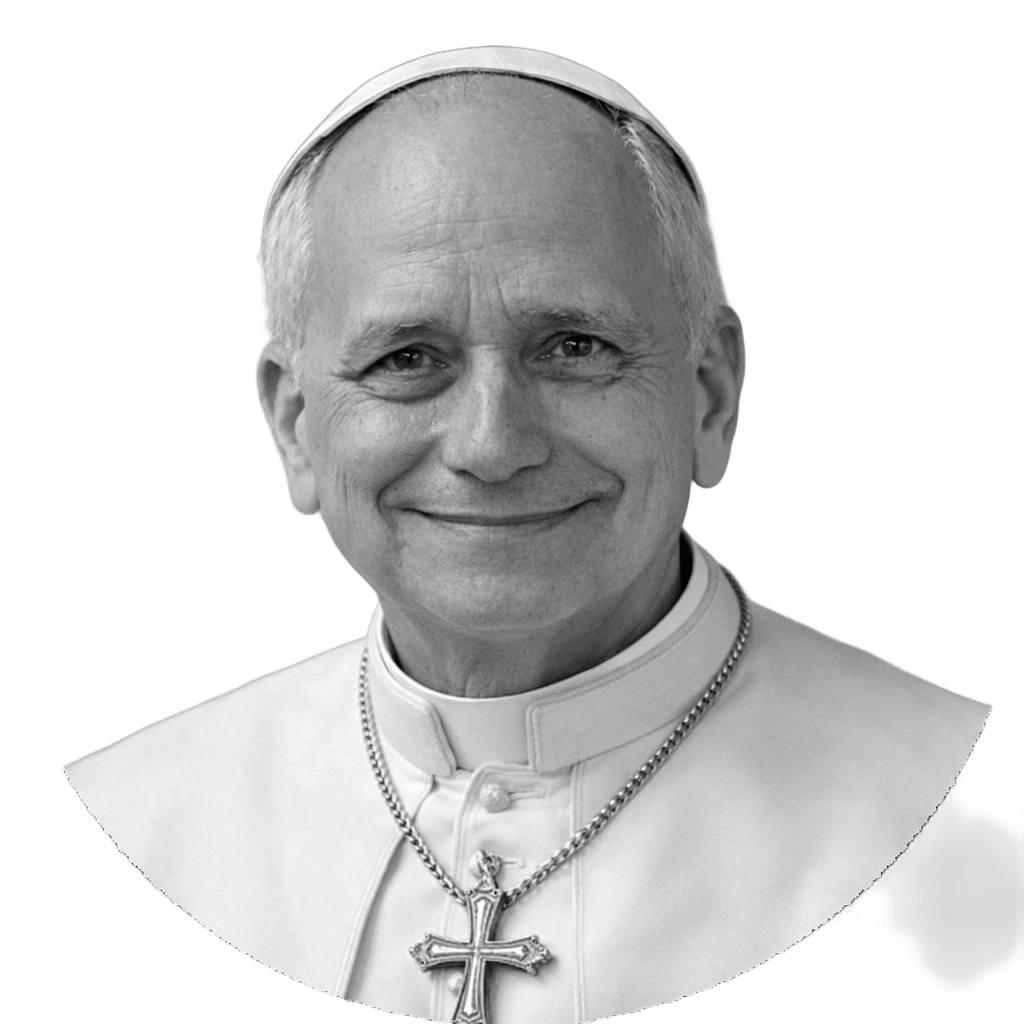
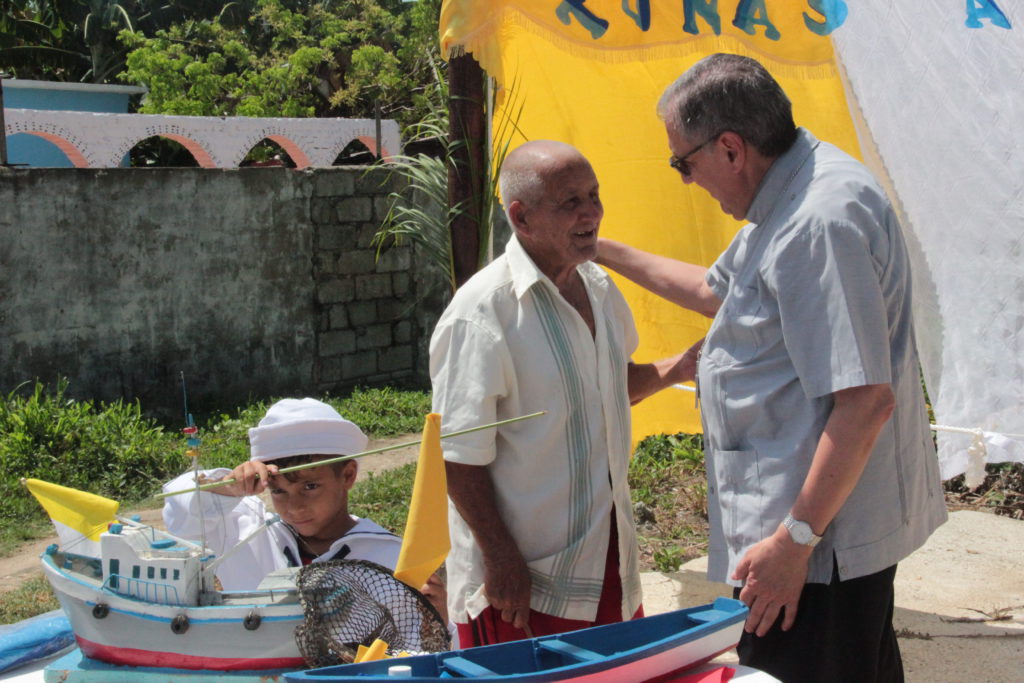
The Church in Cuba continues to accompany a population marked by fear, deep necessities in all fields of life, and uncertainty. In a conversation with the pontifical charity Aid to the Church in Need (ACN), Bishop Arturo González Amador of Santa Clara, president of the Cuban Bishops’ Conference, described the dramatic situation currently gripping the island. “Cuba is suffering,” stated the prelate, describing this as the saddest and most difficult period he has ever known in the history of his people, where daily life has become a pure struggle to survive.
Daily crisis and healthcare collapse
The severe economic crisis impacts everyone, but it is felt most acutely by the poor, single mothers, pensioners, and the elderly living alone. Parish workers encounter this despair daily, meeting people who have not eaten for days. Due to the lack of food, there have been frequent instances of people collapsing during religious celebrations. Furthermore, the severe energy crisis makes food preservation impossible due to the lack of electricity.
The country’s healthcare situation is uniquely alarming:
-
Surgical stoppages: Major hospitals have ceased performing operations due to the lack of water and essential surgical equipment.
-
Sourcing medical supplies: Families are forced to procure basic medical items themselves through relatives or friends abroad to undergo surgery, including suture thread.
-
Psychological anxiety: Mass migration is leaving behind an aging country without resources. Additionally, a widespread fear of a potential military conflict with the USA causes severe anguish among children and the elderly.
A sharp rise in home burglaries and a lack of safety have further heightened the population’s feeling of vulnerability. This insecurity, combined with blackouts that leave many regions with only three hours of electricity per day, has deeply affected religious practices. Nightly adoration has practically ceased, and in certain areas, the Easter vigil had to be moved to the daytime due to criminality and darkness.
Pastoral survival and the mission of the Church in Cuba
In the midst of this painful reality, priests, religious sisters, and laity work closely together to bring hope and maintain small soup kitchens. Bishop González shared an encounter where a soup kitchen preparing food for over 300 people ran short of provisions, prompting the sisters to mix tins of black and white beans to serve more dishes. He regards this quiet, unconditional charity as a powerful tool for evangelization.
“The day a religious sister or a priest dies of hunger or from lack of medication, you will know there is nobody left alive, because everybody shares what little they have”.
Despite this dedication, the institution itself is operating in a pastoral “survival mode”. Prices have increased five-fold and the lack of fuel makes it nearly impossible to travel to celebrate Mass in rural areas. As a stark example of this isolation, only four other bishops were able to attend the recent funeral of Bishop Enrique Serpa Pérez due to the total lack of transportation fuel.
While many religious congregations remain fragile and isolated, Bishop Arturo González praised the fidelity of those who stay on the island. He concluded with a heartfelt plea to ACN benefactors to provide financial aid for pastoral transportation, printing materials, and the survival of works of charity. “The people of Cuba are suffering, and the Church is a part of that people,” he emphasized.