
The situation in Ukraine remains “very difficult,” according to Apostolic Nuncio Archbishop Visvaldas Kulbokas, who highlighted the severe impact of ongoing attacks on infrastructure and an increasing sense of exhaustion across society. Speaking to Aid to the Church in Need (ACN), the Nuncio noted that particularly harsh winter months have left many families without essential electricity or heating.
Frontline reality and the situation in Ukraine
Daily life in areas near the front line is shaped by restricted movement due to drone activity and mines, making access to food, water, and fuel a constant struggle. The war has also forced children in some regions to attend school in underground shelters as they adapt to a reality defined by continuous bombardments.
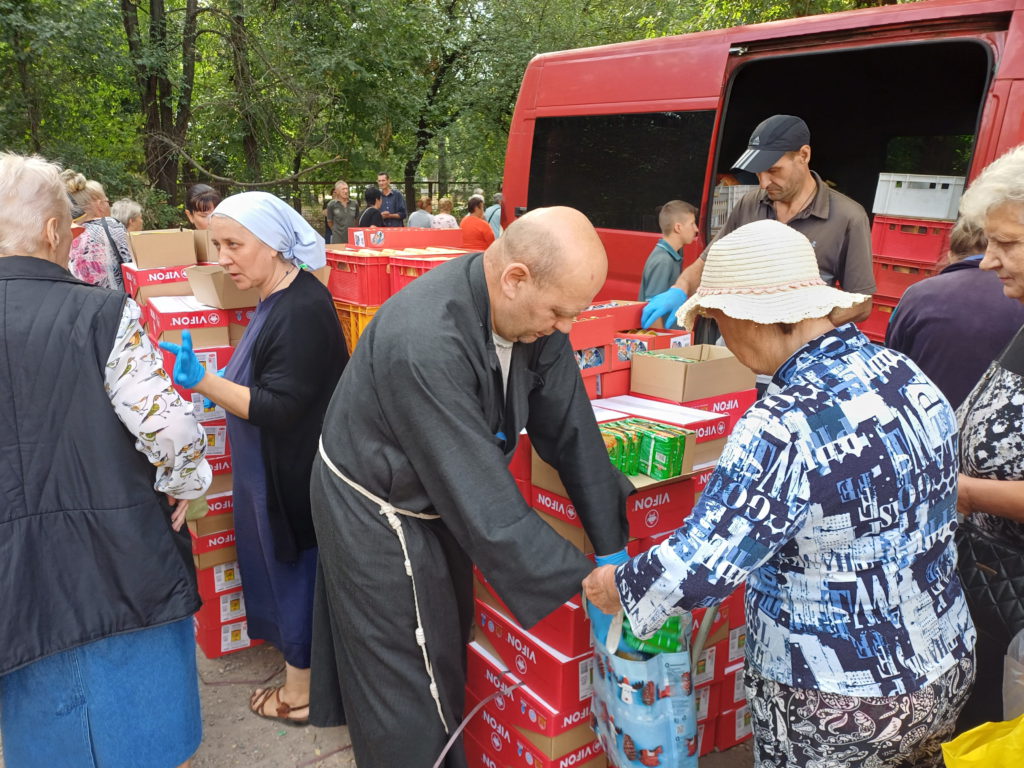
Despite the profound insecurity, priests and religious workers continue to provide both humanitarian and spiritual assistance.
“Priests go to the front lines and accompany soldiers in the most exposed and vulnerable areas. (…) Many times, their role is simply to remain with them. They pray and celebrate Mass underground, often in situations of constant danger due to the threat of attack”.
Spiritual awakening amidst visibility of exhaustion
Archbishop Kulbokas emphasized that the “request for God increases dramatically closer to the front line,” as both soldiers and civilians seek meaning through faith. He illustrated this spiritual growth with the story of a displaced young man who, despite having no initial knowledge of the Church, has now entered the seminary after receiving pastoral support.
Signs of exhaustion are becoming increasingly visible after years of conflict:
-
Widespread disrupted sleep caused by night-time attacks.
-
Diminished capacity to work among the population.
-
Constant adaptation to life without basic services like heat or power.
The Nuncio also highlighted the Holy See’s ongoing diplomatic efforts to facilitate dialogue regarding the situation of detainees and the return of displaced children, stressing that these complex processes require sustained international coordination. He concluded by expressing gratitude for ACN’s continued support for the Church in the country’s most affected regions.