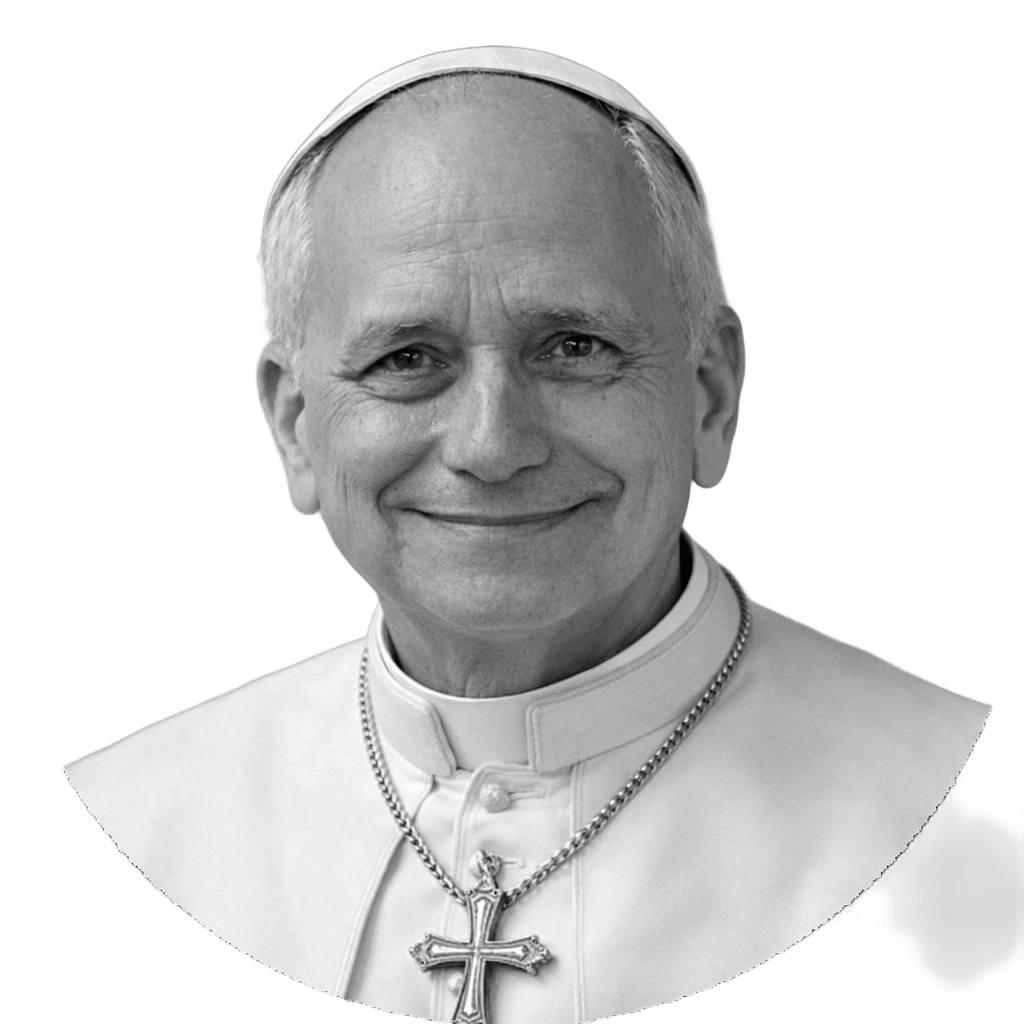
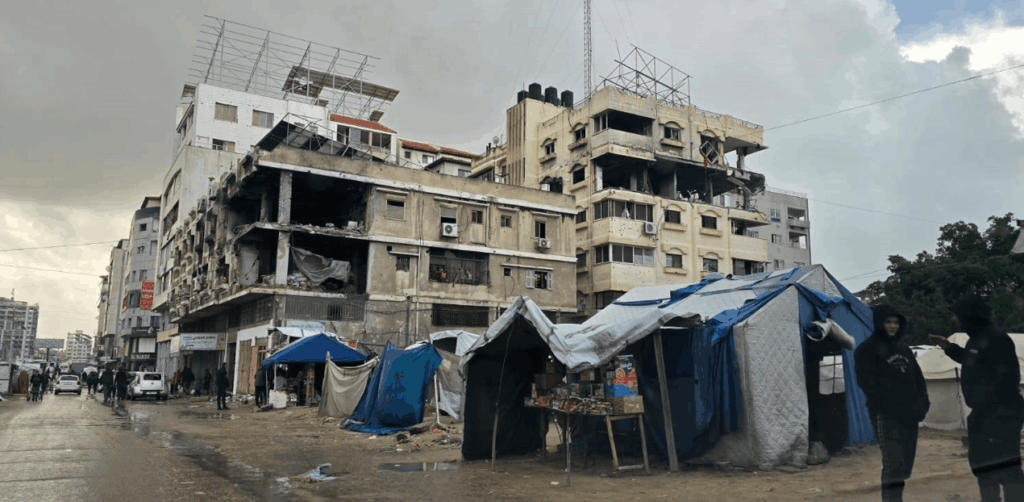
While media attention has gradually faded since the beginning of the ceasefire, the Gaza Strip remains engulfed in an unprecedented humanitarian and health crisis. Father Gabriel Romanelli, the Catholic parish priest of Gaza, described the conditions to Aid to the Church in Need (ACN) as “very serious,” marked by the daily suffering of the population.
Father Romanelli issued a triple appeal to the international community: “Continue to pray, promote justice and peace, and provide material support to the suffering population”.
Violence Persists Behind the “Yellow Line”
Although large-scale bombing has halted, violence has not yet ceased. According to the priest, some bombing continues, particularly behind the so-called “Yellow Line”—the military frontier established on October 10, 2025—resulting in the continued destruction of homes, deaths, and injuries.
“The war is not over, even if the media makes it look like it is. It is absolutely essential that the war stops. It seems that no one in the world is really involving themselves in an effective way”.
A Humanitarian and Health Catastrophe
The 2.3 million inhabitants of Gaza lack the minimum human conditions required to rebuild their lives. With closed borders and destroyed infrastructure, access to electricity and water is non-existent. Water is often poorly treated or contaminated, encouraging the rapid spread of disease.
The situation for children is particularly alarming:
-
Child Mortality: According to UNICEF, 100 children have died since the start of the ceasefire, averaging almost one child per day.
-
Causes of Death: These deaths are attributed to the consequences of bombing, but also to extreme cold and unsanitary conditions.
-
Prevalent Disease: Most of the population lives in tents, exposed to a harsh and rainy winter. Respiratory and digestive diseases are multiplying, and epidemics are worsening due to a lack of heating, shelter, and medicine.
Vital Humanitarian Aid and the State of Education
In this context, humanitarian aid is a matter of life or death, as most inhabitants have lost their work, homes, and resources.
“Since the ceasefire, goods are managing to come in, but they remain inaccessible to a population without financial means. Aid is therefore indispensable and must be ramped up. Food, blankets, essential products, medicine: the needs are immense”.
Education has also been severely affected. Before the war, three Catholic establishments welcomed approximately 2,250 pupils. Today, only 162 children have been able to return to school. The primary issue is space, as displaced refugees are currently staying in school buildings. Within the parish complex alone, around 450 people are still taking refuge.
Despite these overwhelming difficulties, spiritual life remains the pillar of the community. “The heart of our life is always our Lord in the Eucharist,” Father Gabriel confided.