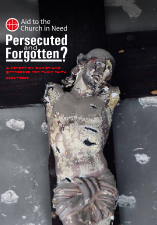


Report on Christians oppressed because of their faith2024 – 2026
220 million Christians are directly exposed to persecution worldwide.
Behind this number are faces, families, and communities facing violence, discrimination, displacement, and restrictions on living their faith.
The new report from the Pontifical Foundation Aid to the Church in Need (ACN) reveals how religious persecution has evolved in 18 countries of particular concern and includes testimonies from those who remain faithful to Christ, even amidst the greatest difficulties.
Learn their stories. Discover a reality the world cannot ignore.
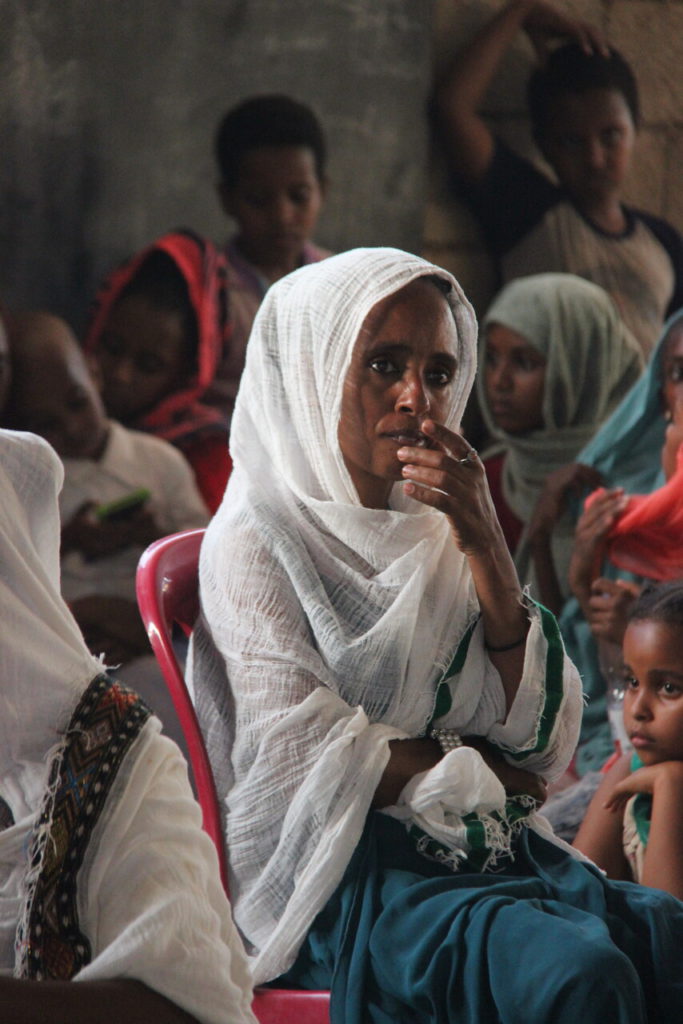
Being a Christian shouldn't mean living in fear.
In many parts of the world, professing the Christian faith continues to have devastating consequences: churches attacked, communities displaced, priests imprisoned, and families forced to flee their homes.
The report, Persecuted and Forgotten? 2024–2026, reveals that in 55% of the countries analyzed, the situation for Christians has worsened compared to the previous period.
In some countries, extremist groups threaten the lives of entire communities. In others, governments restrict freedom of worship, monitor religious activities, and punish those who wish to live their faith freely.
Persecution takes many forms, but they all have one thing in common: they violate human dignity and the fundamental right to religious freedom.
We cannot remain indifferent to those who suffer for following Christ.
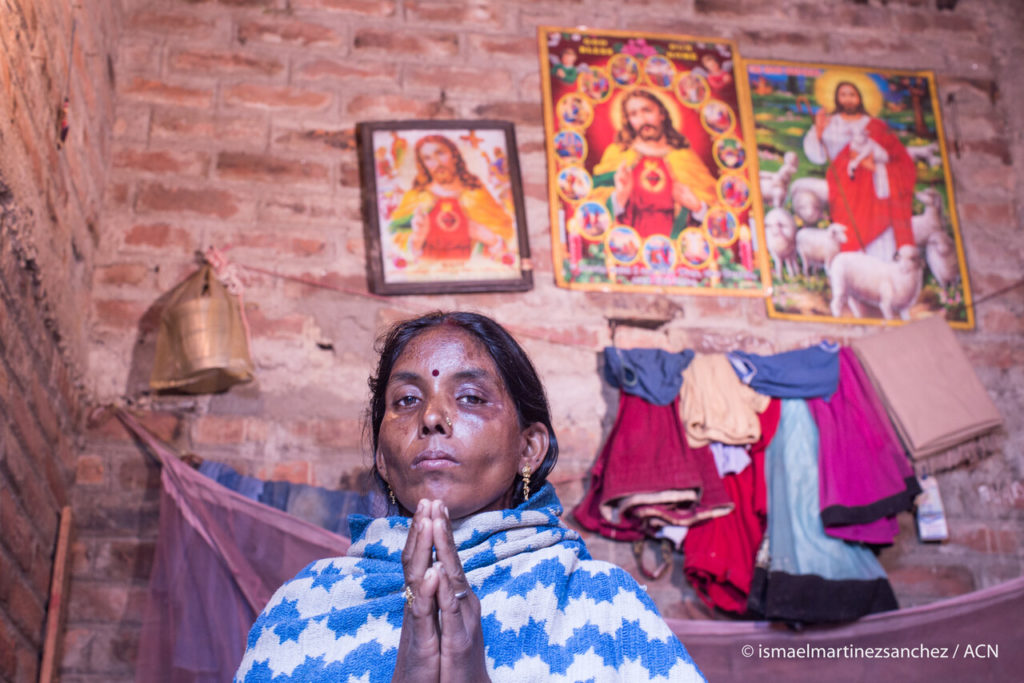
Africa: Communities that resist amid violence and displacement
In various regions of Africa, the expansion of extremist groups threatens the survival of Christian communities.
Burkina Faso
Jihadist groups control at least 40% of the territory, according to the report, and the Christian population is among the main targets of the violence.
Malí
Christians in areas dominated by Islamist groups suffer threats, destruction of churches, and religious impositions that severely hinder the practice of their faith.
Nigeria
Attacks, murders, and kidnappings continue to plague Christian communities.
Mozambique
In northeastern Mozambique, the violence has caused suffering and displacement.
However, even in the midst of these circumstances, priests, nuns and lay people continue to accompany their communities, sustaining hope and proclaiming the Gospel.
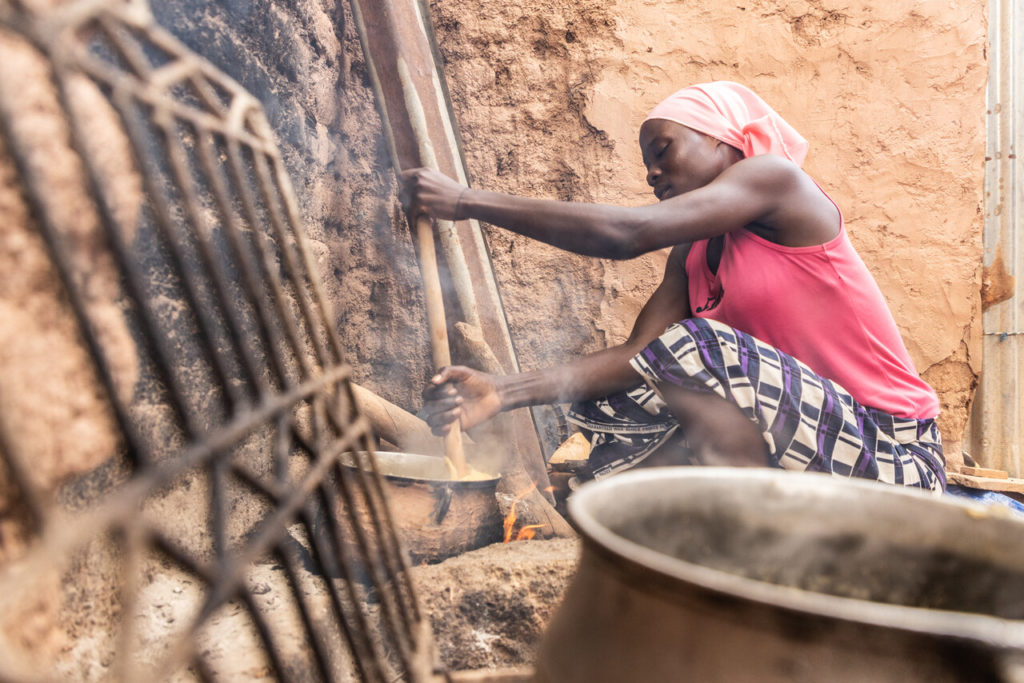
The Middle East: Can the Christian presence survive in the land where our faith was born?
The Middle East is the cradle of Christianity. However, decades of conflict, instability, discrimination, and emigration have profoundly weakened its Christian communities.
Syria
Despite promises of recognition of rights by the transitional government, the new report warns of an increase in violence against Christians and a reduction in their presence.
Irak
Many Christian families continue to face the consequences of displacement, insecurity and difficulties in rebuilding their lives.
Every family that leaves their homeland represents a loss for communities that have passed down the faith from generation to generation for centuries.
Protecting the Christian presence in the Middle East is also preserving a fundamental part of our history and of the universal Church.
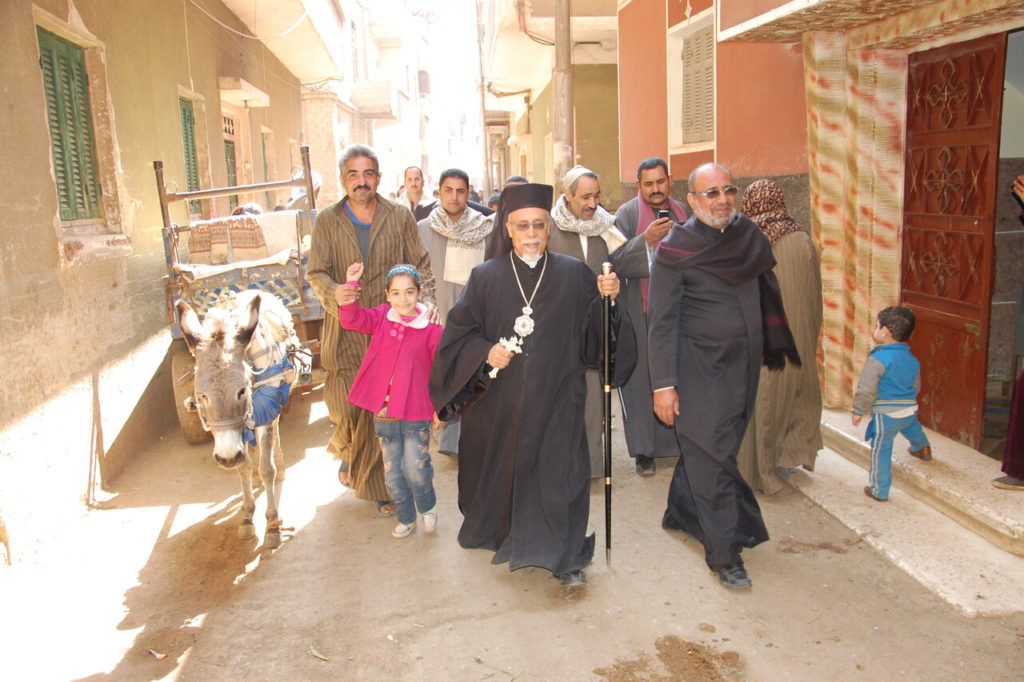
Asia: When living the faith involves restrictions, surveillance, and discrimination
In various Asian countries, millions of Christians face social pressures, restrictive laws, and government controls that limit their religious freedom.
China
Authorities have intensified restrictions on religious communities by closing churches, arresting clergy members, and increasing control over religious content on the internet.
India y Pakistán
Christians face various forms of discrimination and violence. Women and girls from minority communities are especially vulnerable to kidnapping, coercion, and forced conversion.
North Korea
State repression prevents the free exercise of the Christian faith.
In these contexts, the faithfulness of believers reminds us that religious freedom is a right that must be protected throughout the world.
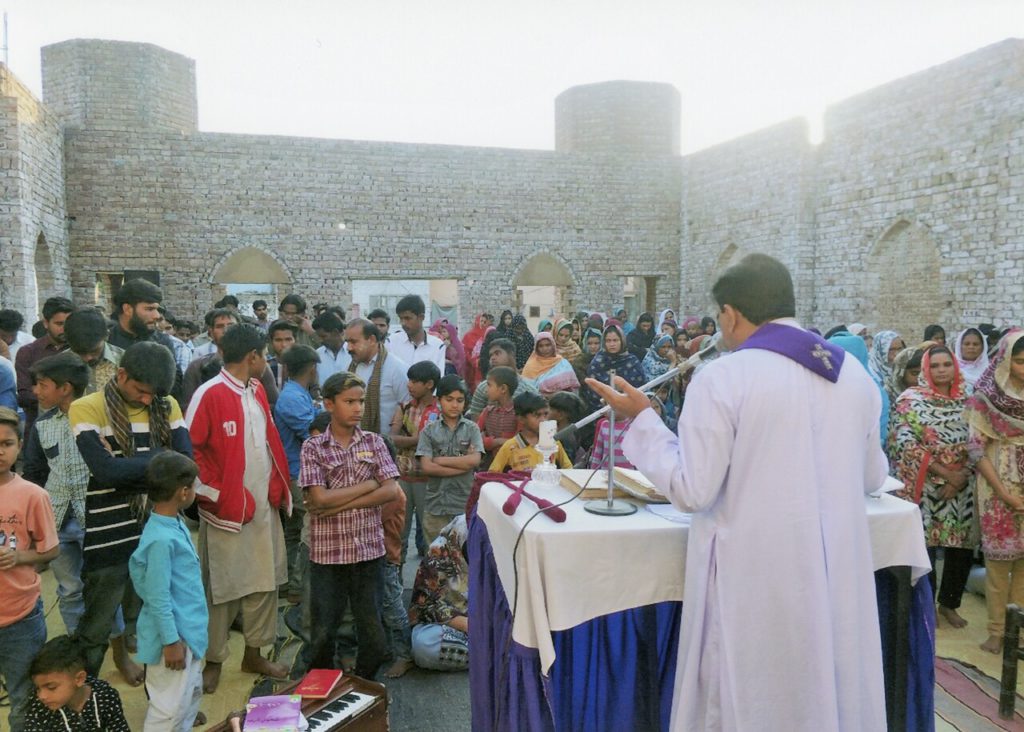
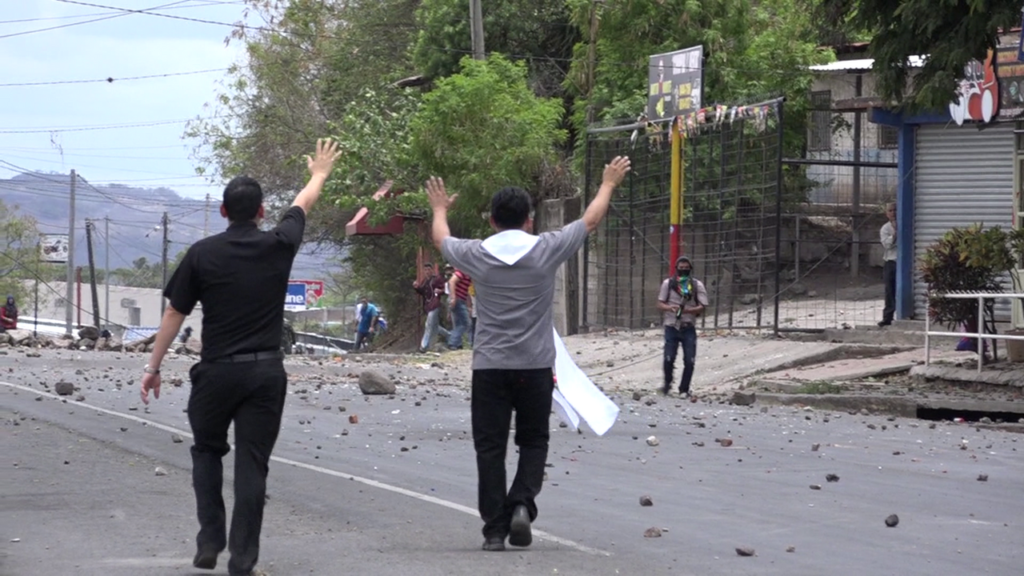
Latin America: When faith also faces persecution
Religious persecution doesn’t only happen in faraway lands. In our own region, the Church also faces serious restrictions.
Nicaragua
The report documents an intensification of repression against Christian communities and leaders, with arbitrary arrests, imprisonments, and exiles.
These situations remind us that religious freedom cannot be taken for granted, even in countries with deep Christian roots.
We are called to raise our voices, defend the freedom to believe, and stand in solidarity with those who suffer for their faith.
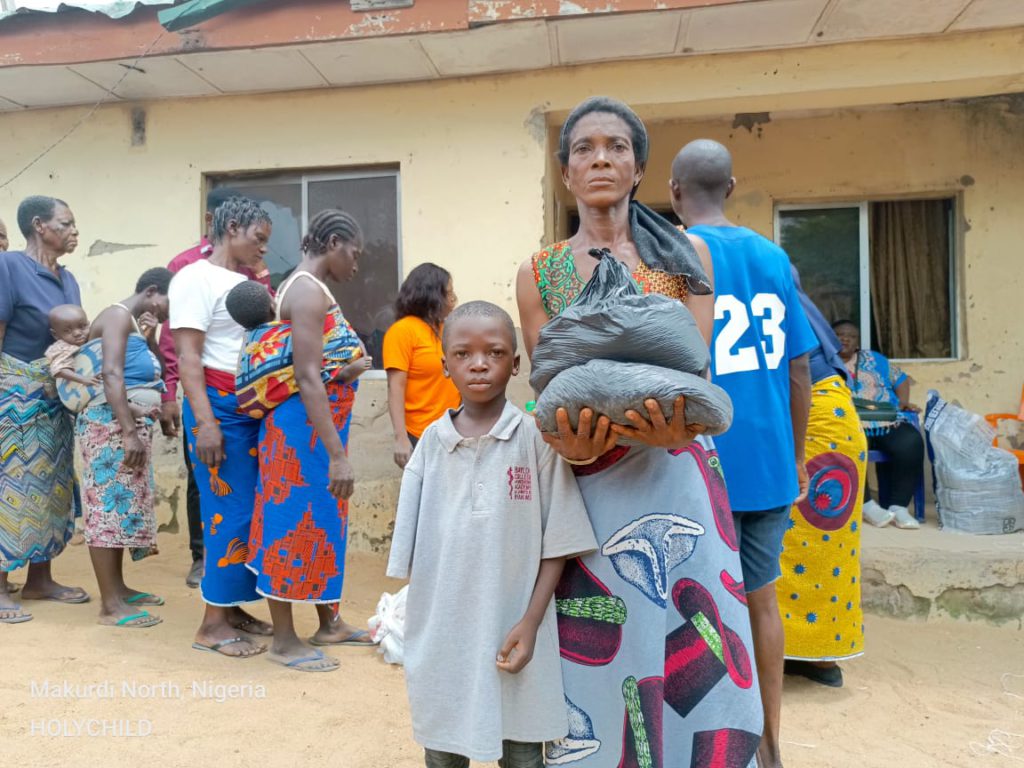
Behind every number is a Christian who needs to be heard
They immediately urged us to convert, and when we refused, they began to beat us.
Solomon Ako, Nigerian Christian
Solomon was kidnapped by armed men who stormed his community in northern Nigeria. During his captivity, he suffered beatings, threats, and humiliation because of his faith.
His story, recounted in ACN’s new report, represents the suffering of countless Christians who, even in the face of extreme circumstances, refuse to renounce their beliefs.
His faith remains steadfast. May our solidarity not falter either.
We cannot end persecution alone. But together we can support those who suffer it.
At the Pontifical Foundation Aid to the Church in Need (ACN), we accompany the most needy, discriminated against, and persecuted Christian communities.
Since 1947, our mission has been based on three pillars:
Pray
Inform
Help
By supporting priests, nuns, seminarians, catechists, and Christian communities, we help keep the Church’s presence alive where faith faces great challenges.
Your generosity can help sustain the formation of future priests, the pastoral care of displaced communities, the sustenance of nuns, and the rebuilding of spaces for living the faith.
Because when a Christian suffers for their faith, the whole Church is called to respond.
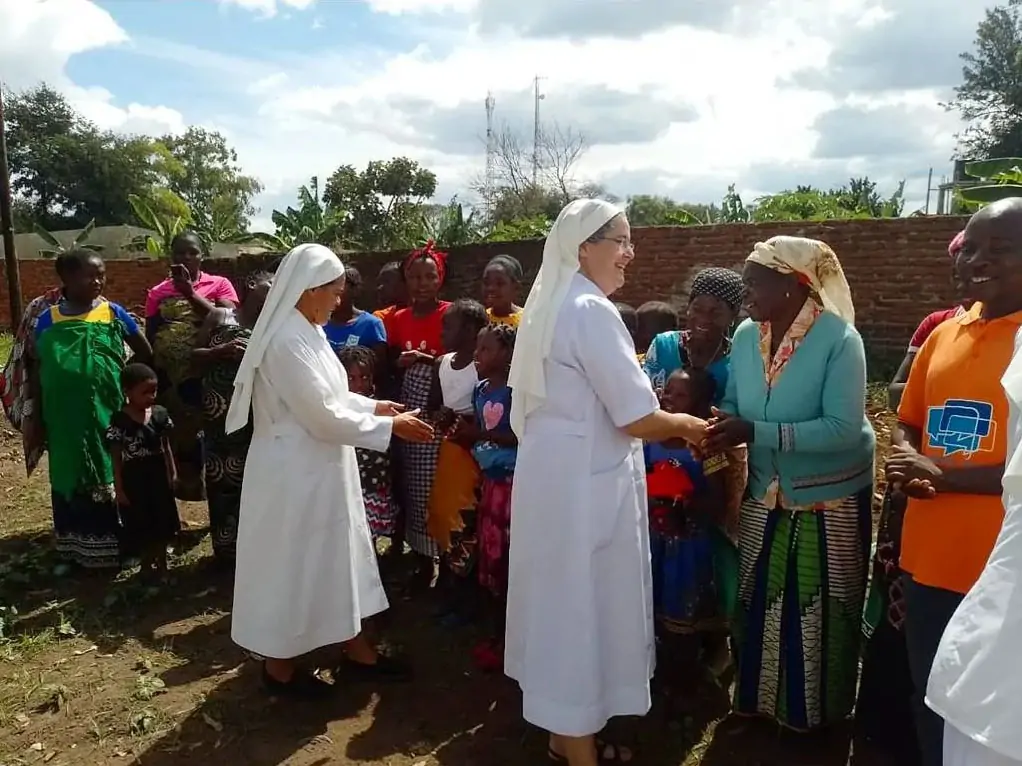
Your generosity translates into concrete help
Donations help fund projects that address the needs of priests, religious sisters, and Christian communities that are persecuted, discriminated against, or living in conditions of extreme hardship.
1. Support of priests
2. Subsistence and mission of the nuns
3. Support for Christian communities
4. Formation of future priests
They remain steadfast in faith. Help us to stand by their side.
Thousands of Christians need to know they are not alone. Your donation can become a tangible sign of hope for communities facing persecution, poverty, and displacement.
Make a donation today and help keep the Church’s presence alive where it is most needed.
Your support allows us to continue accompanying the most vulnerable Christian communities, in accordance with ACN’s pastoral priorities and projects.
May no persecuted Christian feel forgotten
Understanding their reality is the first step. Praying for them, defending religious freedom, and helping them keep their faith alive are ways to respond to their suffering.
Download the report. Share their stories. Be part of the hope.
