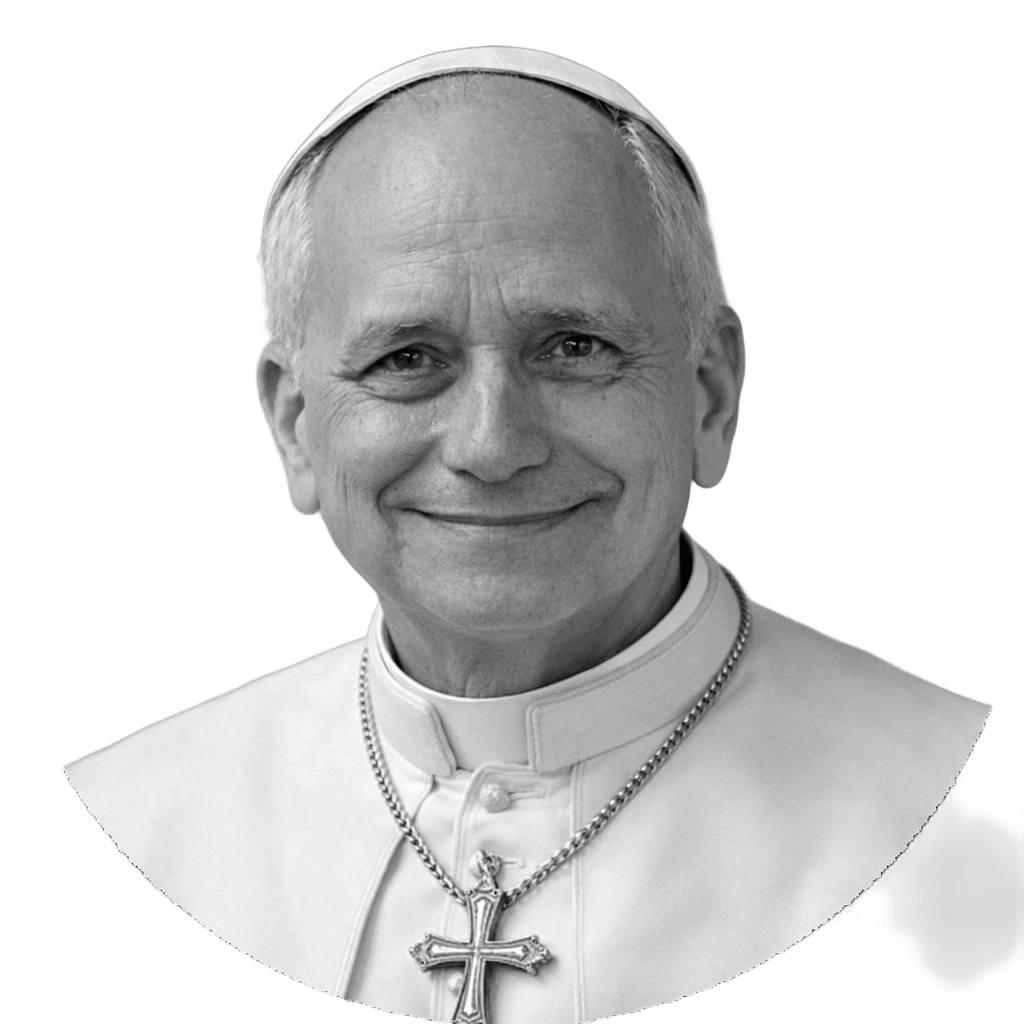
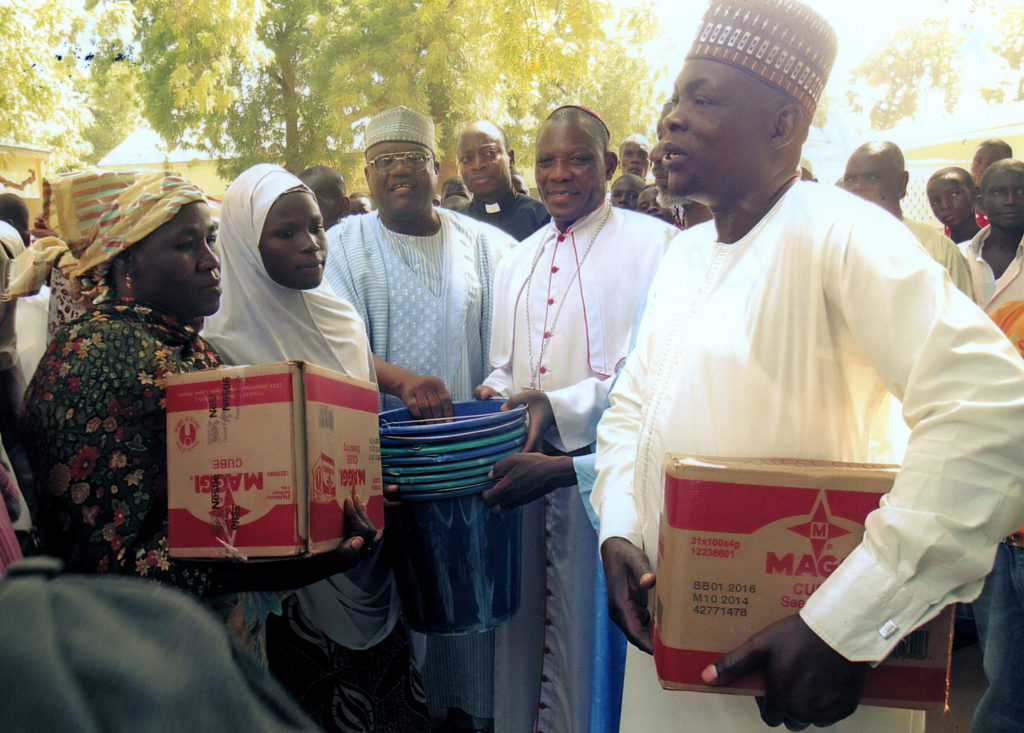
Bishop of Katsina, Gerald Musa, stressed during a visit to the international headquarters of Aid to the Church in Need (ACN) that human life is sacred and that lynching has no place in a civilised society, emphasizing that peaceful coexistence between Christians and Muslims is a lived reality in northern Nigeria. While the region frequently appears in international news due to violence, kidnappings, or interreligious clashes, the bishop stated that the greatest challenge facing the nation is not religious difference, but widespread insecurity, corruption, and a lack of justice that affects all citizens.
Describing life in his diocese—located in a state that is around 98% Muslim with a small Christian minority—Bishop Musa highlighted that dialogue is part of daily life:
“There are many mixed families. They live in peace because family ties are stronger than religious differences”.
This harmony is also visible in local markets, neighborhoods, and schools, where Muslim and Christian students study side by side, while civil authorities foster mutual respect through public gestures of friendship during Christmas and Easter. Nevertheless, prejudice persists, such as the historical misconception that members of the Hausa ethnic group cannot be Christian.
Justice above religion according to the Bishop of Katsina
Bishop Musa recalled that the implementation of Sharia law across several northern states in the early 2000s caused severe tension and episodes of violence. However, he emphasized that the core problem remains the political manipulation of religion:
“As long as attention was focused on religion, we were not tackling issues such as corruption, impunity or injustice. Both religions condemn stealing, murder and adultery. These common principles should help us to build a country in which we are all equal under the law”.
Addressing mob justice and extrajudicial killings linked to allegations of blasphemy, the bishop reiterated the necessity of due process:
“Nobody can be condemned without having the opportunity to defend themselves. If somebody commits a crime, it is up to the courts to judge them”.
Criminality as a business and education for peace
Beyond religious tensions, the diocese faces the rapid expansion of criminal gangs engaged in kidnappings, cattle rustling, and raids on rural communities. Bishop Musa noted:
“Kidnappings have become a big business and a serious problem”.
He attributed this violence to economic interests, struggles over natural resources, political manipulation, historical abandonment of rural communities, and a lack of education and job opportunities for young people.
To counter these threats, the Church collaborates directly with Muslim leaders, such as imams and emires, addressing shared social issues like youth drug abuse. Furthermore, Catholic schools have opened their doors to displaced families—most of whom are Muslim—and offer literacy programs for adults. Bishop Musa concluded:
“Education is one of the greatest tools for building peace. When we educate the youth and accompany those who have lost everything, we are sowing hope for the future”.